An equipment supplier, a three-person tender team, around forty bids a week matching them on formal criteria. They submitted six to eight bids and won one or two.
The commercial director was sure the problem was price: "we're getting undercut on cost." When they pulled six months of history, the picture turned out different. Some of the losses came from disqualification at the review stage — on experience requirements or missing documents, not price. And the contract register turned up six bids that matched their profile and region exactly, which the company simply never submitted for. Nobody had opened them — they went up late in the week and got buried in the flow.
The second layer of losses was even more expensive, and it was treated as normal. Twice in six months they entered contracts where the delivery schedule didn't match their production cycle. One they managed to fulfil at a loss via a subcontractor; on the other they got a claim over missed dates. Both times the terms were spelled out in the draft contract — on pages nobody reached while assembling a bid two days before the deadline.
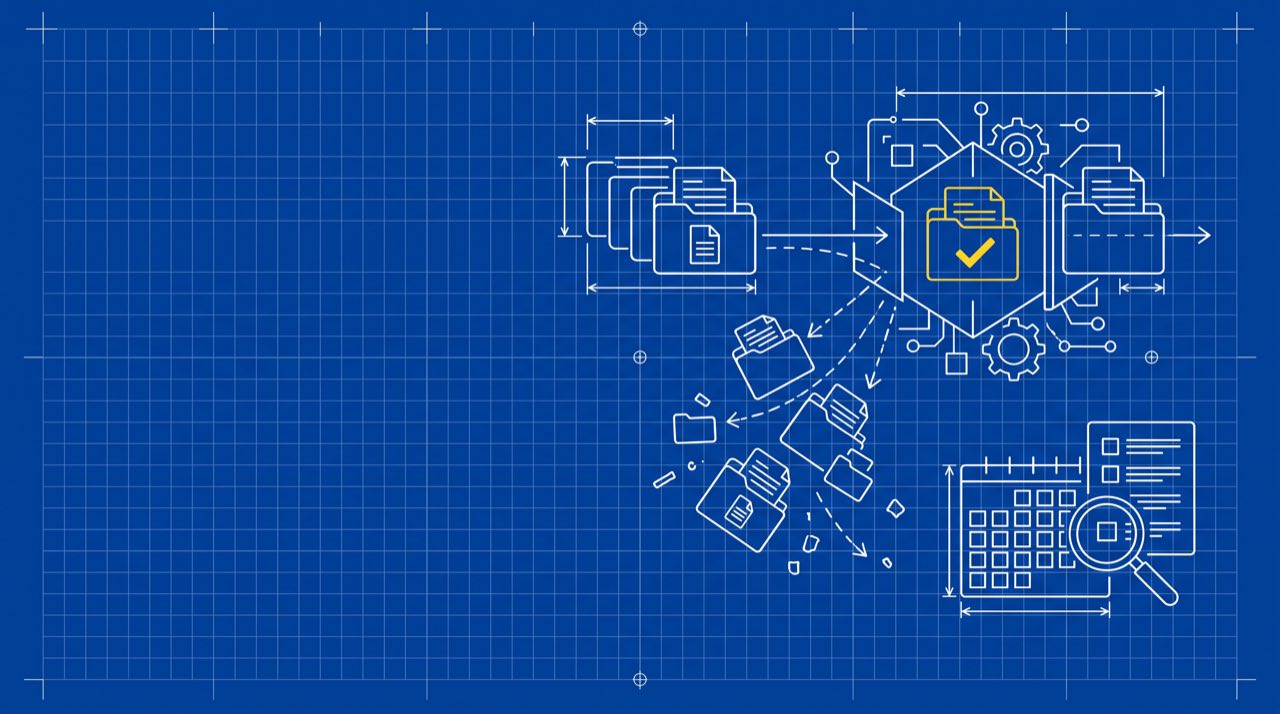
They started with one piece: monitoring by criteria and document analysis. AI pulled in new listings from the platforms, filtered by region, product code, and deposit ceiling, and for everything that passed the filter, read the full set and extracted the size and form of the deposit, the submission deadline, participant requirements, the delivery schedule, penalty terms, and clauses that looked tailored to a specific vendor. Every line linked back to its place in the document — the specialist could check a disputed point in a minute instead of rereading a hundred pages.
The first two weeks, the team worked in parallel and argued with the machine. There were discrepancies, mostly where a requirement was worded loosely enough to allow two readings. They sorted those out and wrote the rules down. After that, reviewing a document set went from two to three hours down to ten minutes reading the summary, and the go/no-go call stopped being a matter of feeling — it now rested on documented terms.
What changed wasn't the win count on its own — it was where the team's time went. They started submitting fewer bids, filtering out ones where the terms plainly didn't fit their production. But the ones they kept got a proper effort instead of two rushed days. And they stopped missing their own bids: a matching tender landed in the summary the day it was published, instead of surfacing a month later in someone else's contract.
"I thought we were losing on price. Turned out we simply weren't opening half our own market."
This is a typical implementation example, not a specific client's story: assembled from the logic of our document-review and process-control projects. Verified Edemium numbers come from other niches: consumer bankruptcy (lead loss down from 60% to 15%, conversion up from 15% to 35%, +₽3M a month) and an industrial equipment vendor (conversion +27% in 2 months, sales oversight down from 10 hours to 30 minutes a week). In tenders, we promise coverage and document analysis, not a win — the outcome of the bidding process isn't up to us.
