The typical setup we build solutions for: a freight or warehousing company, a flow of several dozen inquiries and orders a day, 3–10 dispatchers or operators, inquiries arriving through every channel at once — email, phone, messengers, sometimes a web form.
The request usually sounds like "we need another dispatcher." Inquiry volume exceeds what a shift can physically handle, and status questions keep interrupting work on new deals. Hiring doesn't fix this: a new person absorbs part of the flow, but the structure stays the same — inquiries are still read by eye and entered by hand, and the decision of what to do in the next twenty minutes is still made by a tired person in the moment.
The second half of the request is about visibility. The owner sees revenue and sees complaints, but not what happens in between. Why a deadline was missed for this client, who promised a truck by morning, at what stage an order stalled — all of that gets reconstructed by hand, by asking around, a day after it was already too late.
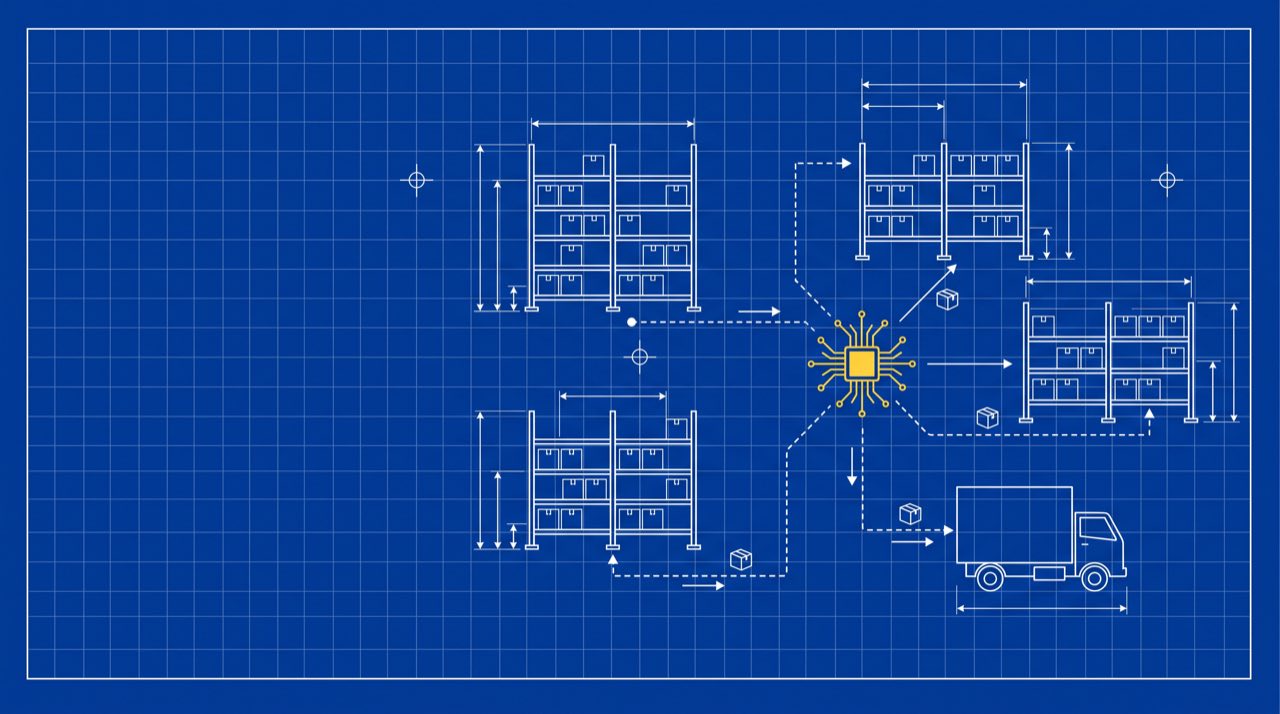
What we build. AI takes an inquiry from email, messenger, and web form, parses the text and any attachments into fields — route, cargo, weight, volume, dates, vehicle requirements — and logs it into your system. For standard cases it replies immediately: confirmation, a quote from your rate table, a request for missing data. It gives the client shipment status by order number at any time, day or night, and proactively notifies them when the stage changes. Non-standard cases — rate negotiations, oversized cargo, a missed slot, a conflict — get passed to a dispatcher with a pre-filled card. In parallel, it reviews 100% of call recordings and hands the manager a summary: where a deadline was quoted that the warehouse never confirmed, where a client pushed back on price and the call went nowhere.
What we measure in the pilot, so the conversation runs on numbers: time to first reply on an inquiry, before and after; the share of inquiries handled without a dispatcher; the share of status requests closed without a human; the share of calls that get reviewed. We lock in these four metrics before the pilot starts, so a month later there's no argument about what counts as success.
"We thought we were short-staffed. It turned out half our dispatchers' workday was spent on things that didn't need a dispatcher at all" — a line we hear often from logistics clients.
Typical implementation example: the mechanics are real, the numbers depend on your inquiry flow, rate tables, and the quality of data in your system. We calculate the specific result on your control group during the pilot — we won't promise a percentage before that.
